Magicverse and urban resilience

The Fortnite, Water and the Metaverse post was barely cold when a friend sent me this article about Magic Leap, under the leadership of Rony Abovitz, and their Magicverse. 

From the Magic Leap blog: “The Magicverse is an Emergent System of Systems bridging the physical with the digital, in a large scale, persistent manner within a community of people. “

“Essentially, Magic Leap envisions a future in which any location — ranging from a room to a whole country — has not only a physical presence, but also a digital one that takes the form of various layers. One layer might focus on health and wellness, for example, and another on entertainment, and still another on mobility.”
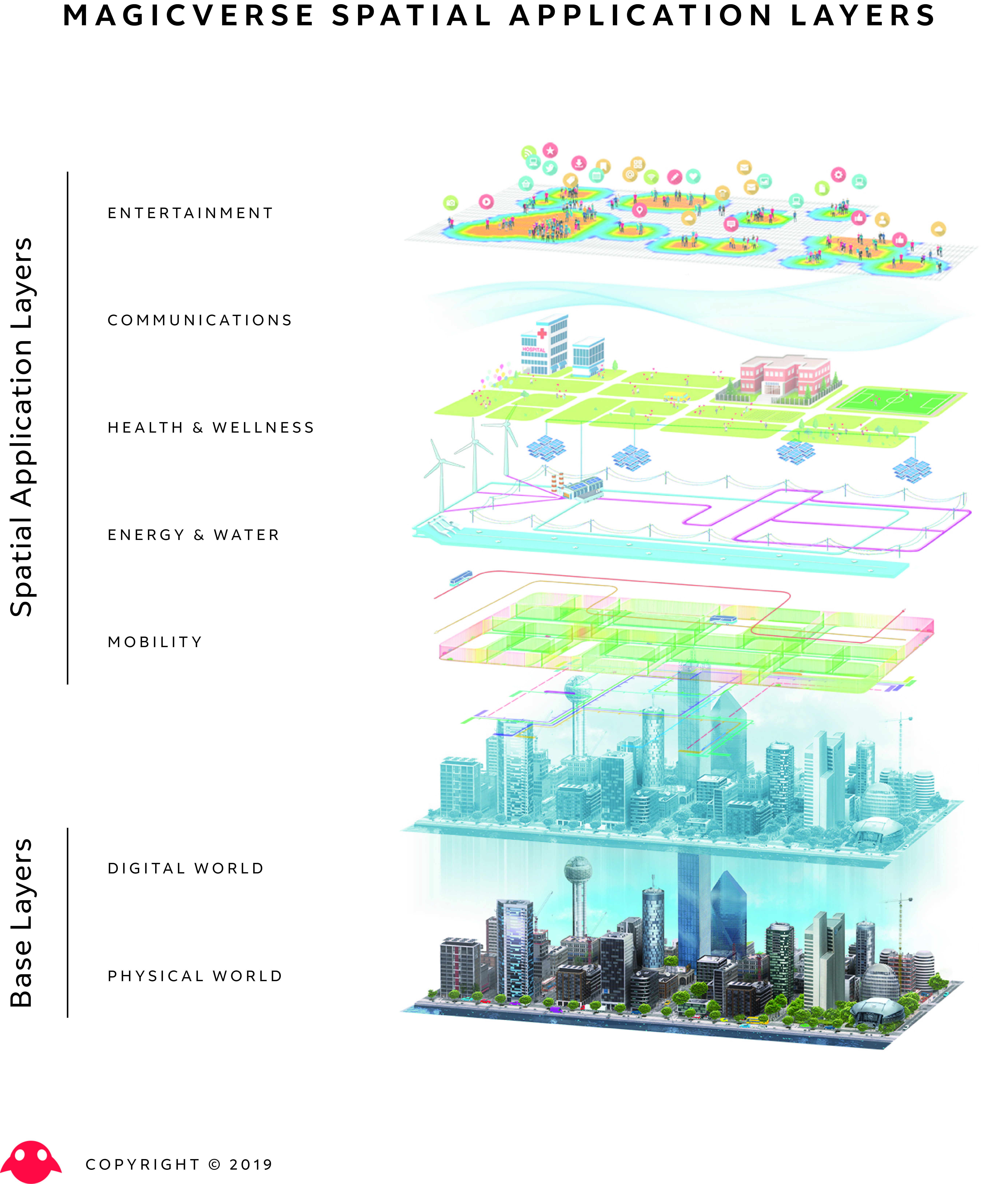
magicverse layers
Continue reading “Magicverse and urban resilience”

Bio-economy, Green Economy and the Circular Economy – same same?

It’s confusing, isn’t it? They are mostly political terms, so the exact definitions are probably non-existent, but let’s settle for vague. I do think they’re different and important to distinguish, so here’s my stab at explaining what the differences are between bio-, green and the circular economy, and then I throw in water sensitive design as a bonus. Oh, and distributed. That’s what all of these have in common. This is just my opinion, of course.

Continue reading “Bio-economy, Green Economy and the Circular Economy – same same?”

Inverse Infrastructures

Update: The original post was from August 2017. Since then my colleagues and I have concluded that the term ‘inverse’ is perhaps problematic. Despite emphasising that it is not simply the opposite of conventional infrastructure, the confusion is expected to remain. Inverse also seems to imply sub-optimal or inferior. I recently came across another EDx course on Responsive Cities – so I prefer the term responsive infrastructure. I am drafting a post just for these terms…

I found out about the term “Inverse infrastructures” via an online course hosted by Edx:

NGIxThe Next Generation of Infrastructure 
Continue reading “Inverse Infrastructures”